Taegu Ocean Soba Salad
Servings: 10
For something more substantial, taegu can be combined with soba noodles, seafood, cucumber, and sesame dressing.
Ingredients
- 1 package soba noodles, cooked according to package directions
- 6 oz seasoned taegu
- 1/2 lb seasoned ocean salad
- 1 lb imitation crabmeat, shredded
- 2 Japanese cucumbers, julienned
- 1/4 cup furikake, or to taste
- Chopped green onions
Dressing
- 1/2 cup low-sodium shoyu
- 1/3 cup rice wine vinegar
- 1/3 cup vegetable oil
- 1/4 cup honey
- 1/4 cup sugar
- 1 tablespoon sesame oil
- 2 teaspoons toasted sesame seeds
How to Make
Whisk the dressing ingredients together and set aside.
In a large bowl, combine the cooked soba, taegu, ocean salad, shredded imitation crab, and cucumber.
Just before serving, toss everything with the dressing and furikake.
Finish with chopped green onions.
Watercress Taegu Salad
Prep Time: About 10 minutes
Servings: 1
This simple salad pairs taegu with watercress, tofu, bean sprouts, and fresh vegetables.
Ingredients
- 1 bunch watercress, cut into pieces
- 1 cup bean sprouts
- 1 cup firm tofu, cubed
- 1/2 cup cherry tomatoes, halved
- 1 cup taegu
- 1/4 cup cilantro
Dressing
- 1/4 cup Bragg’s Aminos
- Juice of 1/2 lemon
How to Make
Layer the watercress, bean sprouts, tofu, tomatoes, taegu, and cilantro in a bowl.
Combine the Bragg’s Aminos and lemon juice, then drizzle the dressing over the salad before serving.
The fresh vegetables and tofu provide a simple base for the stronger taegu flavor.
Taegu Tofu Poke
This no-cook combination uses taegu with tofu, fishcake, vegetables, furikake, and chili oil.
Ingredients
- 1 package extra-firm tofu, cubed
- 1 package firm tofu, cubed
- 1 package unseasoned aburage, cubed
- 3 oz prepared taegu, chopped
- 1 kamaboko, cubed
- 1 package vegetable tempura fishcake, cubed
- Sea asparagus
- 1/4 cup furikake
- 3 tablespoons chili oil
- 2 tomatoes, chopped
- 1 sweet onion, minced
How to Make
Place the tofu, aburage, chopped taegu, kamaboko, fishcake, sea asparagus, furikake, chili oil, tomatoes, and onion in a large bowl.
Mix everything thoroughly.
Refrigerate the mixture so the ingredients have time to sit together before serving.
These taegu recipes show just how versatile prepared taegu can be. You can keep it simple as a spicy seafood side dish, wrap it with rice and kimchi, add it to noodles or salads, or turn it into a creamy dip. Starting with a cuttlefish-based taegu recipe also gives you one flavorful base that can be worked into several different meals and snacks.
Taegu as a Spicy Seafood Side Dish
Taegu works especially well as a spicy seafood side dish because its seasoning brings together sweetness, heat, savory flavor, and sesame. Hawaii-style versions made with shredded cuttlefish are typically mixed with ingredients such as honey, gochujang, shoyu, fish sauce, sesame oil, chili pepper, and toasted sesame seeds.
Serve It on the Side
Prepared taegu can be served in a small portion alongside the rest of a meal. Traditional taegu is also described as a Korean side dish, while Hawaii-style cuttlefish versions are specifically categorized and served as side dishes.
Add It to Noodles or Salads
Taegu does not have to stay on the side of the plate. Prepared taegu can also be added to noodles or salads, where its sweet-spicy seasoning and chewy texture add extra flavor. Foodland, for example, uses taegu in a kimchi Caesar salad alongside romaine, kimchi, arare, and other ingredients. Arare is another popular local snack, and learning what rice crackers are made of offers more insight into their ingredients, textures, and different styles.
Let the Seasoning Rest Before Serving
For a cuttlefish-based taegu side dish, allowing the seasoned seafood to sit for about 30 minutes gives the flavors time to combine before serving.
Whether served on its own or added to another dish, taegu is an easy way to bring bold sweet, savory, and spicy flavor to the table.
How to Serve Taegu as a Snack or Side Dish
Taegu is versatile enough to serve in a few simple ways. Its sweet, savory, spicy, and sesame-rich seasoning works well on its own, but it can also be added to rice, noodles, or salads when you want a more complete dish.
Serve It as a Small Side Dish
Prepared taegu can be served in a small portion alongside the rest of a meal. Traditional versions are commonly treated as a Korean-style side dish, while Hawaii-style cuttlefish taegu can also be served this way.
Add It to Noodles
Taegu can be mixed into noodle dishes for extra seafood flavor and spice. It works especially well with chilled noodle salads, where its strong seasoning can stand up to ingredients such as cucumber, sesame, and shoyu-based dressings.
Toss It Into a Salad
For a lighter meal or side, taegu can be layered with tofu, watercress or spinach, bean sprouts, tomatoes, and other vegetables. Several Hawaii-style salad recipes use seasoned taegu this way.
Enjoy It as a Taegu Cuttlefish Snack
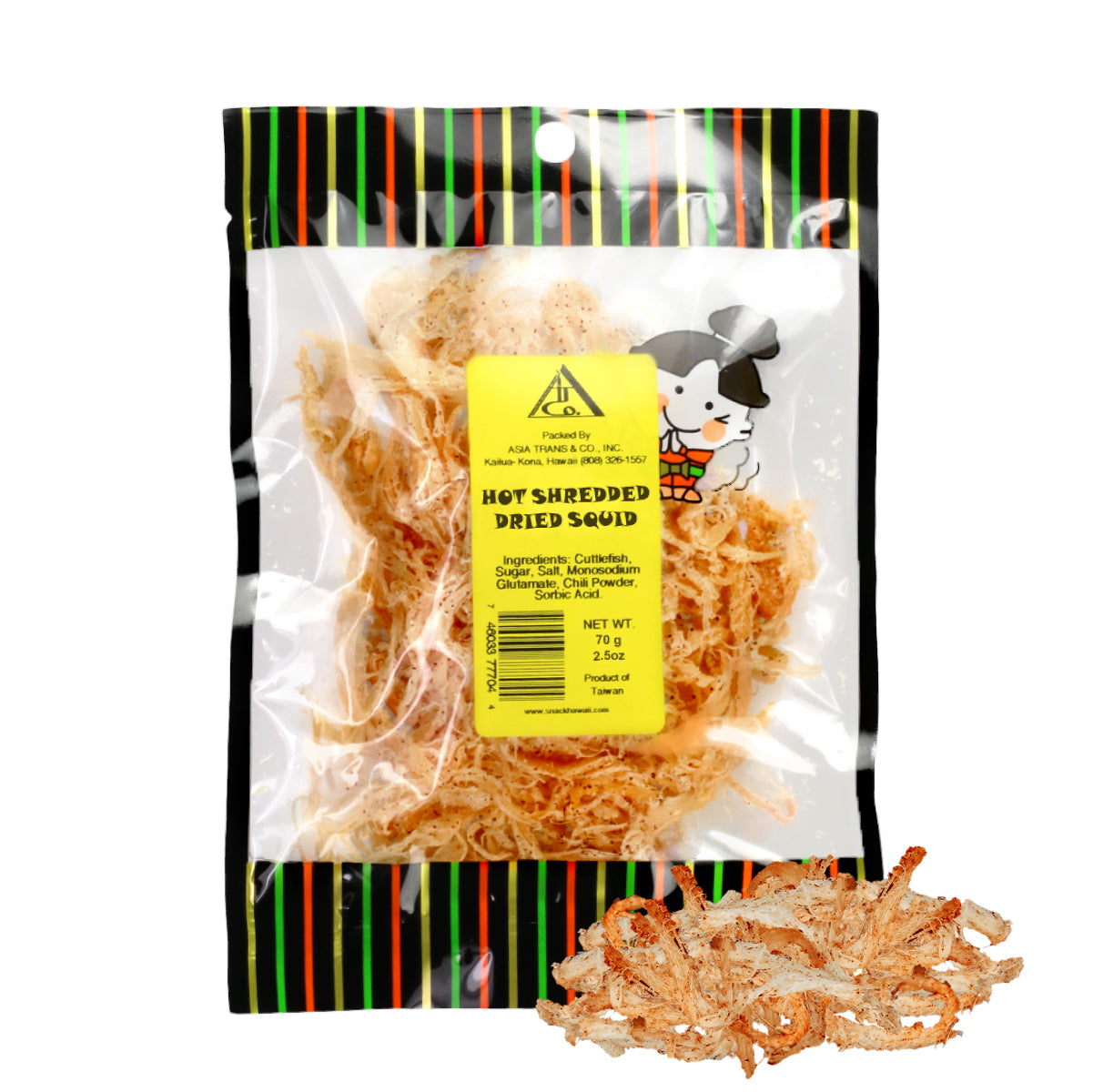
A prepared taegu cuttlefish snack can also be eaten on its own in a small portion. Dried shredded cuttlefish, also known as ika, is among the unique Hawaiian snacks enjoyed for their bold seafood flavor and chewy texture. If making it at home, allow the seasoned cuttlefish to rest for about 30 minutes before serving so the flavors have time to come together.
Whether you serve it by itself or incorporate it into a larger dish, taegu works well when you want a flavorful spicy seafood side dish with plenty of sweet, savory, and sesame character.
Best Taegu Side Dishes and Pairings
Taegu has a bold sweet, savory, spicy, and sesame-rich flavor, so it pairs especially well with simpler foods that let the seasoned seafood stand out. Several Hawaii-style recipes combine taegu with rice, tofu, vegetables, noodles, and pickled ingredients. For more local snack inspiration, explore these Hawaiian snacks for every craving, including dried shredded cuttlefish and other savory island favorites.
Steamed Rice
A bowl of hot rice is one of the simplest pairings for taegu. The mild flavor of the rice balances the stronger seasoning, while the chewy seafood adds plenty of flavor to each bite. Taegu is also used as a topping for musubi, showing how naturally it works with rice.
Tofu and Fresh Vegetables
Tofu is another popular pairing because its mild flavor works well with strongly seasoned taegu. Hawaii-style salads combine taegu with tofu, watercress, bean sprouts, tomatoes, onions, and takuwan for a mix of fresh, crisp, and savory flavors.
Soba Noodles
For a more filling meal, taegu can be added to chilled soba noodles. One Hawaii-style soba salad pairs seasoned taegu with cucumber, imitation crab, ocean salad, furikake, and a sesame-shoyu dressing.
kimchi
Kimchi and taegu are also used together in Hawaii-style dishes. Their strong flavors can be combined in dips or served alongside other local foods, including rice-based snacks.
Watercress and Bean Sprouts
Fresh watercress and bean sprouts add crunch and freshness alongside the richer taegu flavor. Both appear in local-style tofu salads featuring taegu, making them useful additions when you want a lighter taegu side dish.
The best taegu side dishes do not need to be complicated. Rice, tofu, fresh vegetables, noodles, or kimchi can all complement the strong seasoning while giving you different ways to enjoy taegu as part of a snack, side, or larger meal.
Tips for Making Taegu Taste Even Better at Home
A good taegu recipe depends on more than just the seasonings. How the seafood is cut, mixed, and rested can make a noticeable difference in the finished taegu flavor. These simple preparation tips follow techniques used in Hawaii-style taegu recipes.
Cut the Cuttlefish Into Smaller Pieces
For cuttlefish-based taegu, cut the shredded seafood into pieces about 3 inches long before adding the seasoning. Smaller pieces are easier to mix thoroughly and serve as a snack, salad topping, or taegu side dish.
Mix the Seasoning Before Adding the Seafood
Combine the honey, sesame oil, toasted sesame seeds, fish sauce, gochujang, shoyu, and chili pepper powder before mixing them with the cuttlefish. This helps distribute the sweet, savory, spicy, and sesame flavors throughout the dish.
Give the Taegu Time to Rest
After the cuttlefish is coated in the seasoning, let it sit for about 30 minutes before serving. This resting period allows the ingredients to come together and gives sweet spicy taegu its fuller flavor.
Use Toasted Sesame Seeds
Toasted sesame seeds are part of the Hawaii-style preparation and add another layer of sesame flavor alongside the sesame oil. They also add a little texture to the finished dish.
Pair It With Simple Ingredients
Taegu already has a strong seasoning profile, so it works well with simple foods such as rice, noodles, tofu, and fresh vegetables. It can also be added to salads, where the bold seafood seasoning contrasts with lighter ingredients.
The key to flavorful Hawaii taegu is keeping the preparation simple and giving the seasoning enough time to work. Cut the seafood into manageable pieces, coat it thoroughly, let it rest, and then enjoy it on its own or as part of a larger dish.