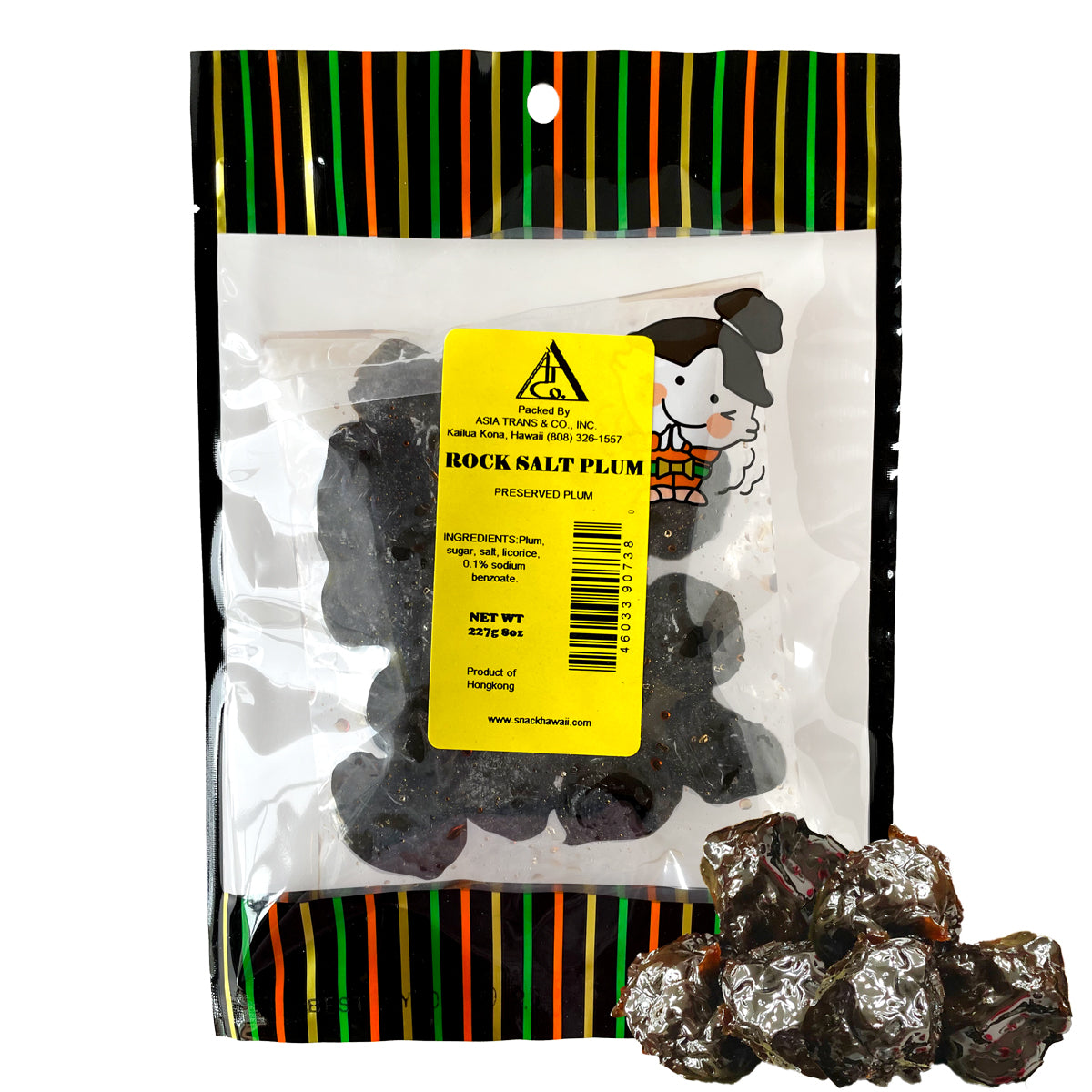
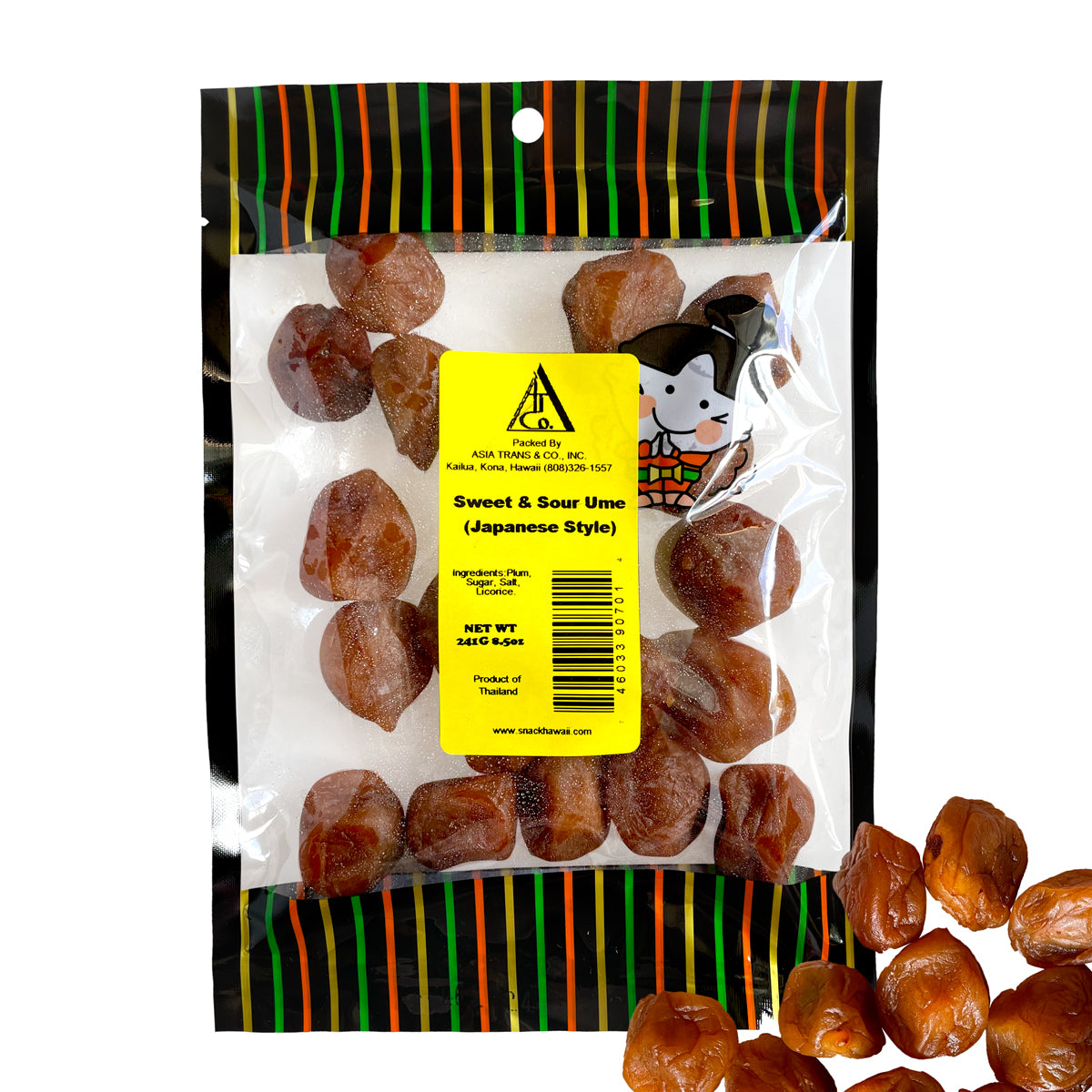
If you grew up in Hawaii, you probably know the mouth-puckering joy of crack seed: that sweet, sour, salty preserved plum snack locals reach for when they want something bold, nostalgic, and unmistakably island-style. But for anyone discovering crack seed and Hawaii snacks for the first time, the names can get confusing fast, especially with so many local favorites tied to island snack culture. Is crack seed the same as li hing mui? Are Hawaiian crack seed snacks - dried plums, preserved seeds, candy, or something else entirely?
Crack seed is a local Hawaii snack with roots in Chinese preserved fruit traditions. It often includes dried or preserved plums, seeds, and fruit pieces seasoned in different ways. One of the most well-known types is li hing mui, a dried plum snack loved for its sweet, salty, and sour flavor.
In this article, we’ll break down what crack seed is, how li hing mui seeds fit into the story, why Hawaiian dried plums became such a local favorite, and how to choose the right Hawaiian seeds if you’re shopping online. We’ll also explain the difference between crack seed, li hing plum, li hing seeds, li hing mui seed, and other Asian dried plums so you can find the flavor you’re actually craving.
What Is Crack Seed, Exactly? Definition & Origin
Crack seed is a preserved fruit snack, most often made with plums, that has been cracked, split, or dried so the fruit can hold more flavor. In Hawaii, crack seed is known for its bold mix of sweet, sour, salty, and tangy flavors. Some varieties are soft and chewy, while others are firmer, saltier, or more intensely sour.
The term ‘crack seed’ can describe dried plum snacks and preserved fruit treats, including many of the classic dried plum snacks found throughout Hawaii snack culture. Li hing mui is a dried, preserved plum with a sweet, salty, and tangy taste. Depending on the style, you may see it called li hing plum, li hing mui seed, li hing seeds, or simply Hawaiian crack seed.
The origin of crack seed is tied to Asian dried plums and Chinese preserved fruit traditions. Li hing mui originated in China and became part of Hawaii’s local snack culture through Chinese plantation workers. Over time, these preserved plums and other Hawaii seeds became a familiar island favorite, especially for people who enjoy snacks with strong, layered flavor.
That is why crack seed Hawaii snacks can feel both traditional and local at the same time. They are rooted in Chinese preserved plum snacks, but Hawaiian crack seed has become its own category in Hawaii food culture.
In simple terms, crack seed is not just one single snack. It is a style of preserved fruit snack that includes li hing mui, rock salt plum, sweet-sour plum, seedless li hing mui, and other dried fruit varieties. What ties them together is the flavor: intense, mouthwatering, and made for people who love snacks that are more exciting than plain dried fruit.
The History of Crack Seed in Hawaii: From Chinese Plantations to Local Favorite
Crack seed has roots in Chinese preserved fruit traditions, especially dried and preserved plums like li hing mui. Li hing mui originated in China, where preserved plums were enjoyed for their salty, sweet, and tangy flavor. The snack later became popular in Hawaii through Chinese plantation workers, who brought dried preserved plums with them as a familiar taste from home.
Over time, these Asian dried plums became part of local Hawaii snack culture and helped shape the long history of crack seed in Hawaii. What started as a Chinese preserved plum snack eventually became something many people in Hawaii recognized simply as crack seed. That is why crack seed Hawaii snacks are often described as both Chinese in origin and local to Hawaii in the way people enjoy them today.
As crack seed became more widely available, Hawaiian crack seed moved from a plantation-era snack into neighborhood stores, crack seed shops, markets, and local snack aisles. Older local snack companies also helped make li hing mui seed and preserved fruit more familiar to shoppers by importing and selling preserved fruit from China in larger quantities in the early 1900s.
Today, crack seeds are still loved for the same reason they became popular in the first place: the flavor is bold, memorable, and different from ordinary candy or dried fruit. Each piece can taste sweet at first, then salty, sour, tangy, or even a little savory. For many people, it is a nostalgic part of local Hawaii food culture.
What Is Crack Seed Made Of? Preserved Plums, Seeds & Flavorings Explained
Crack seed is usually made from dried or preserved fruit, most often plums. In many cases, the fruit is cracked, split, or dried so the seasoning can settle into the fruit and create a stronger flavor. That is where the name “crack seed” comes from: the fruit is opened enough for the sweet, salty, sour, or tangy flavors to soak in more deeply.
The most familiar version is li hing mui, a dried preserved plum that may also be called a salted plum, Chinese preserved plum, li hing plum, li hing mui seed, or li hing seeds. These Asian dried plums are known for having a flavor that is not just sweet or sour, but a mix of several tastes at once. That layered flavor is what makes dried plum snacks so different from regular dried fruit.
Depending on the type, Hawaiian crack seed may include:
- Preserved plums, such as red li hing mui, white li hing mui, sweet li hing mui, or rock salt plum
- Other preserved fruits, including lemon, mango, peach, cherry, lime, or ume-style fruit snacks
- Li hing mui powder, which adds a sweet, salty, and tangy coating or seasoning, is often used in creative Hawaiian recipes and snacks
- Sugar or sweet seasoning, especially in sweeter crack seed varieties
- Salt or salty seasoning, especially in rock salt plum and salted li hing mui styles
Some crack seed still contains the pit or seed inside the fruit, while other versions are seedless. The texture can also vary. Some Hawaiian dried plums are chewy and moist, while others are drier, firmer, or coated in li hing powder.
In simple terms, crack seed is made from preserved fruit plus bold seasoning. The exact ingredients depend on the variety, but the main idea is the same: dried or preserved fruit is transformed into a snack with a strong sweet-salty-sour flavor that people in Hawaii have loved for generations.
Crack Seed vs Li Hing Mui: What’s the Difference?
Crack seed and li hing mui are closely related, but they are not always the same thing. The easiest way to understand it is that li hing mui is one type of crack seed, while crack seed is the broader snack category.